Environmental groups have filed a federal lawsuit seeking to stop an upcoming offshore oil and gas auction that would open more than 80 million acres of the Gulf of Mexico to new drilling. According to Reuters, the groups argue the federal government is moving forward without completing project specific environmental analysis required under federal law. If the court agrees, the December 10 lease sale could be delayed or blocked.
The lawsuit, filed in the U.S. District Court for the District of Columbia, claims the Bureau of Ocean Energy Management (BOEM) violated the National Environmental Policy Act (NEPA) when it approved the sale based only on a broader Gulf-wide study completed earlier this year. Environmental organizations say that review did not adequately evaluate the risks of such a large auction, particularly related to oil spill dangers, coastal impacts, and the potential harm to protected marine species.
If the challenge fails, this lease sale would be the first in a long-term federal plan calling for up to 30 offshore auctions through 2040, creating the possibility of significant new drilling activity in the Gulf.
What an Expanded Offshore Lease Sale Could Mean for Louisiana Offshore Workers
Most coverage of the lawsuit focuses on environmental and climate concerns, but there’s another aspect that affects human lives, especially those of offshore workers in the oil and gas industry.
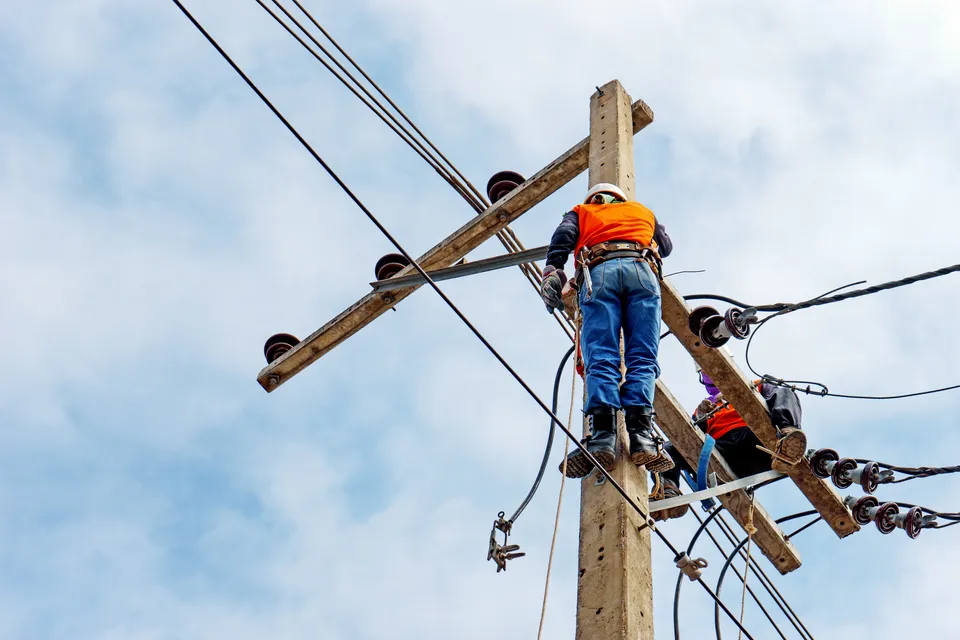
Working offshore has long been recognized as one of the most dangerous jobs in the U.S. Transport via boat or helicopter, long hours, heavy machinery, and unpredictable weather can all contribute to a high rate of accidents and injuries for offshore workers. Indeed, many of the worst tragedies don’t occur on the rig itself, but during transit to or from offshore job sites.
If this massive lease sale moves forward and leads to a boom in offshore drilling, it could mean more jobs. But it could also mean more workers being exposed to serious hazards. That possibility deserves attention from policymakers, community leaders, and the workers themselves.
Legal Rights and Resources for Injured Offshore Workers
Offshore accidents can cause everything from broken bones and burns to long-term disabilities and even death. In these types of injury cases, offshore workers are typically covered by specialized maritime laws rather than traditional workers’ compensation. That means the legal process after an injury can be more complicated, and workers or their families often do not realize what rights they have.
As offshore activity in the Gulf potentially expands, it’s important to understand the legal protections that apply when workers are injured on the water or while supporting offshore operations. Several key maritime laws outline when workers or their families may seek compensation after an accident.
- The Jones Act - Allows injured seamen to bring a claim when an employer’s negligence, such as unsafe equipment, poor supervision, or an unreasonably dangerous work environment, contributes to an accident.
- Death on the High Seas Act (DOHSA) - Applies to fatal incidents occurring more than three miles offshore and allows surviving families to recover financial losses, including lost support and the value of household services.
- General Maritime Law - Holds vessel owners responsible when an injury is caused by an unseaworthy condition and may allow recovery for damages, including in some cases punitive damages.
- Longshore & Harbor Workers’ Compensation Act (LHWCA) - Protects workers who support offshore operations from land, including cargo handlers, shipbuilders, and equipment operators, by providing medical coverage, disability benefits, and survivor benefits.
Together, these laws create a framework meant to ensure that offshore workers and the families who depend on them have meaningful protections when serious accidents occur. Understanding the legal landscape is especially important if offshore activity increases due to new drilling leases.
What Comes Next in the Gulf Lease Fight
If the lease sale moves forward, Louisiana workers could be among the first affected, both in terms of new employment opportunities and potential risks.
The court will now decide whether BOEM must conduct additional environmental review before opening the Gulf to new drilling. If the lawsuit succeeds, the December auction could be postponed while federal agencies reevaluate the environmental impact of offshore expansion.
If the sale proceeds as scheduled, energy companies may quickly move to secure leases, prepare drilling plans, and activate a new wave of offshore development.
Either outcome carries consequences for Louisiana’s environment, economics, and workers whose livelihoods depend on the Gulf.
As Louisiana offshore activity evolves, we’ll continue following developments and providing context on how federal decisions shape life and work for Louisiana residents along the Gulf Coast.
Herman, Katz, Gisleson & Cain is a Louisiana-based law firm with deep experience in offshore and maritime injury cases, helping workers and families navigate the complex laws that apply. If you need more information about an offshore accident or have questions about your rights, call us at 844-943-7626, contact us online, or use our live chat.