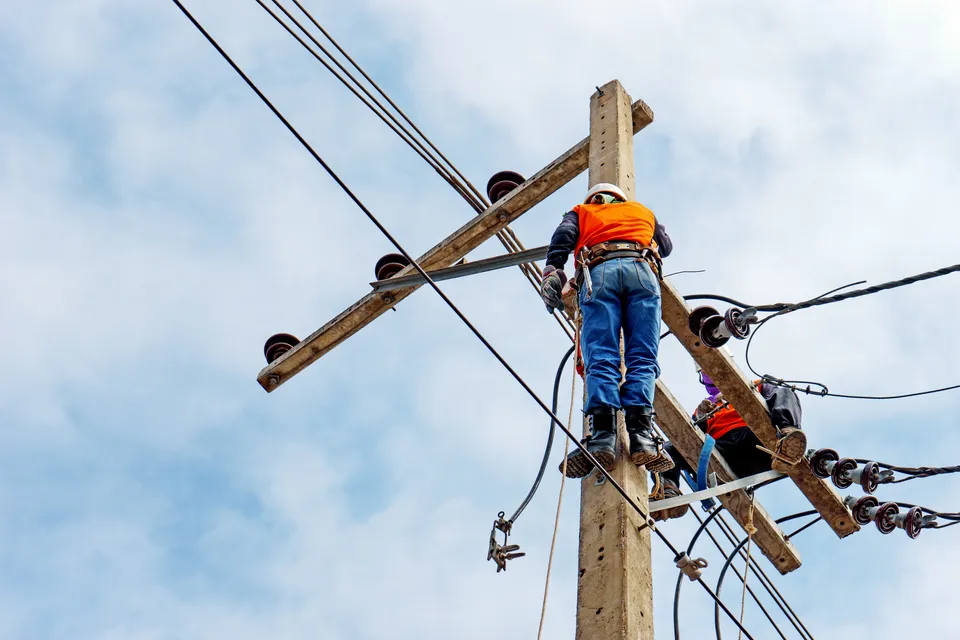
Electrical accidents remain one of the leading causes of catastrophic workplace injuries in the U.S., particularly in industries that drive Louisiana’s economy, including offshore, construction, and utility work. May is National Electrical Safety Month, and recent incidents across Louisiana are drawing attention to the serious consequences of contact with power lines, energized equipment, and high-voltage systems.
In many of these cases, the underlying problems are not new. Investigations frequently reveal familiar issues: safety procedures ignored, dangerous conditions overlooked, inadequate training, or work performed too close to energized lines and equipment.
Over the years, I’ve handled Louisiana electrical accident cases involving electrocutions, severe burn injuries, industrial explosions, and other high-voltage incidents. One thing that becomes clear in many of these lawsuits is that the warning signs often existed long before someone was seriously injured or killed.
Recent Louisiana Electrocution Cases Reveal Recurring Safety Failures
Last year, a Louisiana lineman suffered serious injuries while helping restore power after severe weather moved through the state. Utility restoration work is among the most dangerous jobs in the country, particularly after storms damage power lines and electrical infrastructure. Crews often work long hours in unstable conditions around energized equipment, downed lines, flooding, and debris.
A separate Louisiana incident involved a crew member who was electrocuted while working on a New Orleans film set near overhead power lines. That incident was a reminder that electrical hazards extend far beyond electricians and utility workers. In Louisiana, workers in industries that you wouldn’t typically think of, such as entertainment production, may also encounter dangerous electrical conditions as part of their jobs.
Electrical Accidents Continue to Cause Serious Harm Nationwide
National safety data continues to show how deadly electrical accidents can be. According to the Electrical Safety Foundation International (ESFI), hundreds of workers are killed in workplace electrocutions across the U.S. each year, while thousands more suffer life-altering injuries.
Many of these incidents involve overhead power lines, energized equipment, lockout/tagout failures, or equipment coming into contact with live electrical systems. The construction industry consistently reports some of the highest numbers of electrical fatalities. Still, serious incidents also occur in offshore operations, industrial facilities, transportation, and other sectors where workers routinely operate around high-voltage equipment.
For survivors, the consequences often extend far beyond the initial injury. Severe electrical accidents can leave victims facing multiple surgeries, chronic pain, neurological complications, permanent disability, and an inability to return to the work they performed before the incident.
Storm Season and Hurricane Recovery Increase Electrical Risks in Louisiana
As Louisiana approaches another hurricane season, the risk of serious electrical accidents increases significantly. Hurricanes, tropical storms, and severe weather events routinely damage power lines, substations, transformers, and electrical infrastructure across the state, creating hazardous conditions for utility crews, contractors, emergency responders, and ordinary residents.
One of the greatest dangers after a storm is that electrical hazards are often not immediately visible. Downed power lines may still be energized even when entire neighborhoods appear without power. Floodwater can carry electrical current, while damaged generators, temporary power systems, and compromised wiring can create deadly conditions inside homes, businesses, and work sites.
For utility workers and line crews, restoring power after a major storm often means working long hours amid damaged infrastructure, standing water, debris, and unstable structures, while under pressure to restore electricity to hospitals, businesses, and entire communities as quickly as possible.
Large-scale hurricane recovery efforts also bring in temporary workers and outside contractors from across the country to assist with repairs and debris removal. With multiple crews often working simultaneously in rapidly changing conditions, maintaining consistent electrical safety practices can become increasingly difficult during disaster response operations.
The U.S. Occupational Safety and Health Administration (OSHA) has repeatedly warned that post-storm electrical work remains one of the leading causes of fatal workplace injuries during disaster recovery efforts. Many of these incidents occur during cleanup, utility restoration, tree removal, and emergency repair operations in the days immediately following severe weather events.
Similar safety concerns also arise in electrical accident investigations involving industrial facilities, construction projects, utility work, and offshore operations throughout Louisiana.
Electrical Accident Investigations Often Reveal Preventable Safety Violations
What stands out in many electrical accident cases is how often the underlying causes sound familiar.
Investigations often reveal recurring problems: inadequate training, ignored safety procedures, poor coordination around energized systems, improperly maintained equipment, and failures to follow basic lockout/tagout requirements designed to prevent electrocutions. In many cases, the evidence shows the incident could have been avoided with proper planning and safety enforcement.
In many Louisiana electrical accident personal injury lawsuits, investigations often focus on whether companies followed established industry standards, OSHA regulations, internal safety procedures, and accepted engineering practices. Employers and contractors may attempt to characterize an incident as an unfortunate accident, but the evidence sometimes shows a pattern of ignored warnings, inadequate supervision, or unsafe worksite planning.
Those failures can also make electrical accident litigation significantly more complex than many people initially realize.
While workers’ compensation may provide some benefits, many serious electrical injury cases involve additional third-party liability claims against contractors, subcontractors, utility companies, equipment manufacturers, property owners, or other entities that contributed to unsafe conditions.
For injured workers and families, the financial and emotional consequences can be devastating. Severe electrical injuries frequently require multiple surgeries, skin grafts, rehabilitation, long-term pain management, and lifelong medical care. Some victims are unable to return to the work they spent years building careers around.
As a result, personal injury and wrongful death lawsuits are often necessary to help address medical expenses, lost wages, future treatment needs, and the long-term effects these incidents can have on entire households.
National Electrical Safety Month is ultimately about more than awareness campaigns or workplace posters. It is a reminder that catastrophic electrical injuries continue to occur across Louisiana, often in situations where the risks were entirely foreseeable.
When companies fail to follow established safety standards around electricity and someone suffers catastrophic injuries as a result, accountability matters.
If you or a loved one suffered injuries in an electrical accident, electrocution, or high-voltage workplace accident in Louisiana, Herman, Katz, Gisleson & Cain can help evaluate your legal options. Contact the firm online, through live chat, or by calling 1-844-943-7626 for a free and confidential case review.